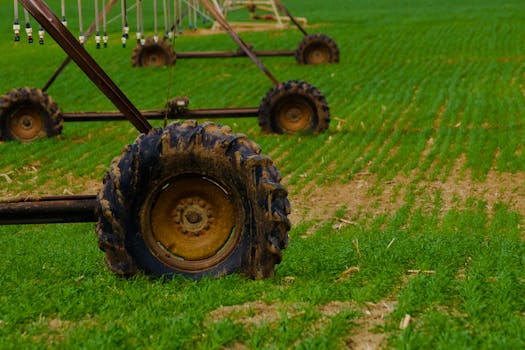
In recent years, the conversation around automation in agriculture has largely focused on the promise of high-tech machinery, robotics, and artificial intelligence to revolutionize farming. However, a growing movement is shining a light on the importance of low automation in agriculture. This approach, which emphasizes selective and minimal use of machines, prioritizes sustainable practices, community welfare, and environmental stewardship. Understanding the multifaceted benefits of low automation is essential for anyone interested in the future of food, farming, and rural economies.
What Does Low Automation Mean in Agriculture?
Low automation in agriculture refers to the deliberate limitation of automated machinery, robotics, or AI in farming processes. Instead of replacing human labor with high-tech solutions, farms with low automation might use basic mechanical tools or small-scale equipment to support, rather than replace, workers. This approach stands in contrast to highly automated “smart” farms, where machines handle tasks like seeding, weeding, harvesting, and even data analysis with minimal human intervention.
For example, a low-automation vegetable farm may use hand tools, wheelbarrows, and small tractors, but rely on people for planting, tending, and harvesting. In contrast, a highly automated operation might use GPS-guided tractors, robotic harvesters, and drones for crop monitoring.
According to the 2022 World Bank report, in developing regions, over 60% of agricultural employment remains in low automation settings, highlighting its ongoing relevance in both economic and social contexts.
Preserving Rural Employment and Livelihoods
One of the most significant impacts of low automation is its role in sustaining rural employment. In many countries, agriculture is a primary source of income for millions. The International Labour Organization (ILO) estimates that globally, about 27% of the workforce (over 880 million people) is engaged in agriculture, much of it on low-automation or family-operated farms.
When farms adopt high automation, the need for human labor diminishes. While this can increase efficiency, it can also lead to significant job losses, particularly in regions where alternative employment is scarce. In contrast, low automation supports:
- Rural job creation: By requiring more hands-on labor, low automation farms provide jobs for local communities. - Skills retention: Traditional farming knowledge and skills are passed down, maintaining cultural heritage. - Economic stability: Reducing rural depopulation by keeping families and communities intact.A study by the European Network for Rural Development found that in regions with low automation, rural migration rates are up to 30% lower compared to highly mechanized regions, demonstrating the social value of this approach.
Environmental Sustainability: Farming with Nature, Not Against It
Low automation dovetails with many principles of sustainable agriculture. Large, automated farms often prioritize uniformity and mass production, which can lead to monoculture, soil degradation, and increased chemical use. Conversely, low automation often supports smaller field sizes, crop diversity, and organic methods.
Key benefits include:
- Reduced soil compaction: Heavy machinery can compact soil, reducing aeration and water absorption. Low automation, which leans on lighter equipment and manual labor, minimizes this risk. - Biodiversity: Small-scale, low-automation farms are more likely to plant diverse crops, supporting pollinators and beneficial insects. - Lower fossil fuel use: Fewer and smaller machines mean less fuel burned, reducing greenhouse gas emissions.A 2021 meta-analysis published in “Agriculture, Ecosystems & Environment” found that diversified, low-automation farms use 35% less synthetic fertilizer and 50% less pesticide per hectare compared to mechanized monocultures.
Resilience in a Changing Climate
Another important aspect of low automation is resilience. Climate change is making weather patterns more unpredictable and extreme. Large, highly mechanized farms, which are optimized for efficiency and scale, can be vulnerable to disruptions—like equipment breakdowns, fuel shortages, or weather events that prevent machinery from operating.
Low automation farms, by contrast, can often adapt more quickly:
- Flexibility: Human labor can react to changing conditions, such as harvesting during unexpected weather windows. - Local knowledge: Farmers who work closely with the land can identify and respond to pests, disease, or soil health issues before they escalate. - Lower capital risk: Low automation requires less investment in expensive equipment, reducing financial vulnerability during hard years.During the 2020 COVID-19 pandemic, many large farms faced labor shortages due to travel restrictions, while smaller, low-automation farms were able to quickly adapt by hiring local workers or shifting production.
Comparing Low Automation and High Automation in Agriculture
To better understand the distinctions and trade-offs between low and high automation in agriculture, consider the following comparison:
| Aspect | Low Automation | High Automation |
|---|---|---|
| Labor Needs | High (more jobs, local employment) | Low (fewer jobs, higher skill requirements) |
| Environmental Impact | Lower soil compaction, less fuel use, supports biodiversity | Risk of monoculture, higher fuel use, soil degradation |
| Initial Investment | Lower (basic tools, small machinery) | Higher (advanced machinery, technology infrastructure) |
| Resilience to Disruption | Flexible, adaptable, lower risk | Vulnerable to equipment or supply chain failures |
| Production Scale | Small to medium | Large-scale operations |
| Community Impact | Preserves rural communities and traditions | Can lead to rural depopulation |
Challenges and Limitations of Low Automation
While the benefits of low automation are significant, it’s important to acknowledge the challenges faced by farmers who limit mechanization:
- Labor shortages: In some regions, younger generations are leaving rural areas, making it difficult to find enough workers for labor-intensive farming. - Lower productivity: High automation can dramatically increase output per worker. For example, in wheat production, a single combine harvester can replace the work of 100 people. - Profit margins: Small, low-automation farms may struggle to compete with large, mechanized producers on price, especially in commodity markets. - Physical demands: Farming without significant automation is physically taxing, which can limit participation, especially among older farmers.Efforts to address these challenges include cooperative models, where farmers share equipment and labor, and policy interventions like subsidies or training programs to support sustainable, low-automation agriculture.
Global Examples of Successful Low Automation Agriculture
Across the world, many farming communities have embraced low automation not just out of necessity, but as a conscious choice for sustainability and social well-being.
- Japan’s Satoyama landscapes: Traditional Japanese rice paddies use terracing and hand labor. Despite Japan’s technological leadership, over 40% of rice farms maintain low automation, supporting local biodiversity and rural heritage. - Cuban urban agriculture: After the fall of the Soviet Union, Cuba shifted to small-scale, low-automation urban farms. Today, Havana grows over 50% of its fresh produce within city limits, using organic and manual methods. - Organic cooperatives in Italy: In Tuscany and Emilia-Romagna, organic cooperatives blend minimal mechanization with traditional methods. These farms report higher biodiversity and attract eco-tourists, boosting local economies.These examples demonstrate that low automation can thrive in diverse contexts, offering economic, social, and environmental benefits.
The Future of Low Automation in a Technological World
With the rise of precision agriculture, drones, and AI, some may wonder if low automation is destined to disappear. However, the evidence suggests that the future of farming will depend on a balance between technology and tradition.
Many experts advocate for “appropriate technology”—tools and techniques that support farmers without displacing them or harming the planet. For instance, lightweight, solar-powered pumps or information-sharing apps can help low-automation farms improve productivity without sacrificing their values.
As consumer demand grows for sustainably produced, local, and organic food—projected to reach $320 billion globally by 2025—low automation farming is likely to remain vital. Not only does it meet ethical and environmental standards, but it also aligns with the needs of diverse communities worldwide.