How Low Automation Affects Employee Morale: Insights, Impacts, and Solutions
The modern workplace is in a state of constant flux, with technology and automation reshaping industries at a rapid pace. Yet, not every organization is sprinting toward a highly automated future. Many businesses—either by necessity or design—maintain low levels of automation, relying heavily on human effort for daily operations. While this approach offers some strategic advantages, it also brings unique challenges, especially when it comes to employee morale. Understanding how low automation affects the emotional and psychological well-being of workers is essential for building a healthy, motivated workforce and ensuring organizational success.
The Relationship Between Automation and Employee Morale
Employee morale is a multifaceted concept encompassing job satisfaction, motivation, emotional well-being, and the overall attitude of workers toward their organization. Automation, or the lack thereof, directly impacts how employees experience their work. In highly automated environments, technology often takes over repetitive or physically demanding tasks, enabling workers to focus on higher-value activities. Conversely, low automation means employees must shoulder a greater share of routine, manual, or repetitive tasks.
According to a 2022 Gallup report, only 34% of U.S. employees described themselves as "engaged" at work, with monotony and lack of advancement cited as key factors in disengagement. In low automation settings, the risk of monotony is higher, as repetitive tasks dominate the workday. This can lead to decreased job satisfaction, lower motivation, and a greater likelihood of burnout.
However, the relationship is not one-dimensional. For some, low automation fosters a sense of mastery and craftsmanship, leading to pride in their work. For others, it can result in fatigue, frustration, and diminished workplace morale. The impact largely depends on how low automation is managed and perceived within the organization.
Repetitive Tasks and Their Psychological Toll
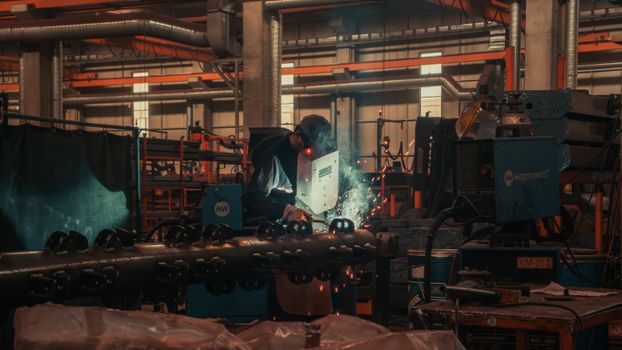
One of the most significant consequences of low automation is the increased prevalence of repetitive, manual tasks. These responsibilities can range from data entry and assembly line work to stocking shelves or processing paperwork. While such tasks are essential to operations, performing them for extended periods can negatively affect mental well-being and morale.
A study conducted by the International Labour Organization (ILO) in 2021 found that employees performing repetitive tasks for more than four hours a day were 1.7 times more likely to report symptoms of stress and fatigue compared to those with more varied job roles. The psychological toll is further compounded by the lack of variety and autonomy, both of which are recognized drivers of job satisfaction.
Moreover, repetitive work with little automation often provides limited opportunities for skill development or personal growth. Employees may feel "stuck" in their roles, leading to disengagement and higher turnover rates. For example, a 2023 survey by the Society for Human Resource Management (SHRM) showed that 41% of workers in low-automation roles considered leaving their jobs within the next year, citing boredom and lack of advancement as primary reasons.
Workload, Fatigue, and Physical Health
Low automation doesn't just affect mental health—it also has significant physical implications. In environments where machines and technology aren't available to assist with heavy lifting, repetitive motion, or ergonomically challenging tasks, employees are more susceptible to fatigue and job-related injuries.
The Bureau of Labor Statistics (BLS) reported in 2022 that industries with low automation, such as agriculture and certain manufacturing sectors, experienced up to 2.5 times more workplace injuries related to overexertion and repetitive strain compared to more automated industries. These injuries not only lower morale but also increase absenteeism and healthcare costs, placing additional strain on both employees and employers.
When physical exhaustion becomes a routine part of the work experience, morale inevitably suffers. Workers may feel undervalued or expendable, especially if their efforts are not recognized or rewarded. This further erodes their sense of loyalty and engagement, which can have a ripple effect throughout the organization.
Opportunities for Collaboration and Social Connection
Despite the challenges, low automation is not without its silver linings. One often-overlooked benefit is the opportunity for increased social interaction and collaboration. In highly automated settings, employees may spend much of their time isolated at computer terminals or working alongside machines, reducing chances for team bonding.
In contrast, workplaces with low automation often require close coordination, communication, and teamwork to complete tasks efficiently. According to a 2023 study by the European Foundation for the Improvement of Living and Working Conditions, 62% of employees in low-automation environments reported having "strong" or "very strong" relationships with their colleagues, compared to just 44% in highly automated workplaces. These social connections can act as a buffer against stress and monotony, supporting higher levels of morale and job satisfaction.
However, the positive impact of social connection is not guaranteed. If teamwork is marred by poor management, unclear expectations, or insufficient recognition, the potential morale boost can evaporate, leaving behind frustration and conflict.
Comparing Employee Morale: Low vs. High Automation Environments
To better understand the nuances, let’s compare key factors influencing morale in low and high automation settings:
| Factor | Low Automation | High Automation |
|---|---|---|
| Task Variety | Low; high repetition | Higher; more focus on complex tasks |
| Job Satisfaction | Often lower, unless supported by strong management and recognition | Can be higher due to engagement in meaningful work |
| Physical Strain | Higher risk of fatigue and injury | Reduced physical strain due to mechanization |
| Opportunities for Collaboration | More teamwork and interpersonal engagement | Can be more isolated depending on tasks |
| Skill Development | Limited unless training and rotation are provided | Greater opportunities for learning new technologies |
This comparison underscores that while low automation can foster social connections, it also raises risks related to monotony, physical strain, and limited career growth—factors that all impact employee morale.
Leadership and Organizational Culture: The Deciding Factors
While technology plays a significant role, leadership and organizational culture are perhaps the most decisive factors in determining how low automation impacts morale. Managers who recognize the challenges of low automation can implement strategies to counteract the negative effects. These include:
- Job rotation to reduce monotony and exposure to repetitive tasks - Regular recognition and rewards for hard work - Professional development opportunities, even in low-tech environments - Emphasis on team-building and social activitiesResearch from the Harvard Business Review in 2022 showed that employees with supportive supervisors were 2.3 times more likely to report high morale, even in low-automation settings. This finding highlights the power of strong leadership and a positive workplace culture in offsetting the drawbacks of limited automation.
For example, in Japanese manufacturing, the concept of "kaizen" (continuous improvement) encourages workers at all levels to contribute ideas and take pride in their craftsmanship. This approach not only increases efficiency but also enhances morale by giving employees a sense of ownership and accomplishment.
Strategies to Boost Morale in Low Automation Workplaces
Organizations that operate with low automation can take proactive steps to maintain or even improve employee morale:
1. $1 Introduce job rotation, upskilling, and cross-training opportunities to break the monotony of repetitive tasks. 2. $1 Implement regular feedback and reward systems to acknowledge the hard work and dedication of employees. 3. $1 Invest in tools, equipment, and processes that reduce physical strain, even if full automation is not feasible. 4. $1 Encourage team-based projects and social events to strengthen relationships and a sense of community. 5. $1 Offer clear pathways for advancement, additional training, and opportunities for employees to contribute ideas for process improvements.By focusing on these strategies, organizations can transform the potential negatives of low automation into opportunities for engagement, satisfaction, and loyalty.
Key Takeaways on Low Automation and Employee Morale
Low automation shapes the employee experience in profound ways. While it can lead to increased monotony, fatigue, and limited skill development, it also offers opportunities for social connection and collaboration. The ultimate impact on morale depends largely on how organizations address these challenges. With strong leadership, a supportive culture, and proactive management, the negative effects can be minimized, and employee morale can remain high—even in the absence of advanced automation.