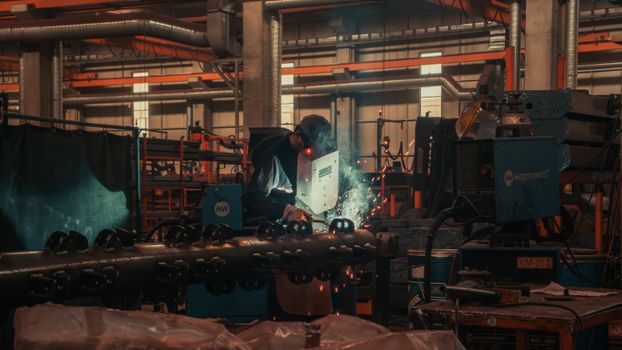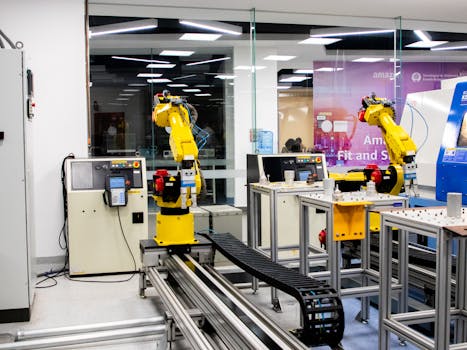
Manufacturing is often associated with the relentless march toward full automation—robotic arms assembling cars, conveyor belts humming with activity, and software systems orchestrating every detail. Yet, across the globe, a significant number of manufacturers intentionally choose low automation approaches. This deliberate decision is not always rooted in budget constraints or lack of access to technology. Instead, it stems from a nuanced understanding of the unique benefits that low automation can bring to the table.
As the global manufacturing industry is projected to reach over $16 trillion in value by 2025, according to Statista, it’s vital to recognize that a one-size-fits-all approach to automation is neither practical nor optimal for every business. By examining the benefits of low automation in manufacturing, companies can make informed choices that balance efficiency, flexibility, and sustainability.
Understanding Low Automation in Manufacturing
Low automation refers to manufacturing environments where human labor, manual tools, and basic machinery play a central role, with limited reliance on advanced robotics or sophisticated automated systems. This model is prevalent in industries such as custom fabrication, artisan production, food processing, and small-batch manufacturing.
According to a 2022 survey by the International Federation of Robotics, nearly 60% of small and medium-sized manufacturers worldwide operate with minimal automation. This is not merely a result of financial limitations. Instead, these manufacturers recognize the inherent strengths of a low automation approach, particularly in sectors that rely on adaptability, craftsmanship, and quality control.
Enhanced Flexibility and Adaptability
One of the primary advantages of low automation is its unmatched flexibility. Automated systems excel in high-volume, repetitive tasks but often struggle to adapt to frequent changes in product design or production processes. In contrast, human workers can quickly adjust to new requirements, making low automation ideal for industries that produce diverse or custom products.
For example, in the luxury furniture market—valued at $27 billion in 2023—manufacturers often rely on skilled artisans rather than robots. This approach enables rapid prototyping, iterative design changes, and personalized customization, all of which are difficult and costly to achieve with highly automated systems.
Low automation also allows for faster response times to market shifts. When the COVID-19 pandemic disrupted supply chains in 2020, many low automation manufacturers were able to pivot production lines more quickly than their automated counterparts. This agility can be a significant competitive advantage in uncertain or rapidly changing markets.
Human-Centric Quality Control
While automation can deliver impressive speed and consistency, it may not always guarantee the highest quality, especially for products that require careful inspection or a high degree of craftsmanship. Human workers possess the sensory perception, intuition, and problem-solving abilities that machines cannot easily replicate.
A study by the National Institute of Standards and Technology (NIST) in 2021 found that manual inspection detected 25% more defects in complex assemblies compared to automated vision systems. In industries such as aerospace, medical devices, and fine jewelry, the stakes for quality are incredibly high, and the human touch remains irreplaceable.
Moreover, low automation environments foster a culture of accountability and pride in workmanship. Employees who are directly involved in creating a product are more likely to notice subtle flaws and take corrective action, resulting in superior end products and lower rates of returns or recalls.
Cost Efficiency for Small and Medium Enterprises
Implementing and maintaining advanced automation technology involves significant upfront and ongoing costs—including the purchase of equipment, integration, software licensing, and specialized training. For small and medium enterprises (SMEs), such investments may take years to yield a return, if at all.
Low automation, on the other hand, enables businesses to operate with lower capital expenditures and greater financial flexibility. According to the U.S. Small Business Administration, SMEs make up 98% of manufacturing firms in the United States. For these organizations, optimizing labor efficiency and minimizing equipment costs can be the difference between profitability and closure.
The table below compares the typical cost profile of low automation versus high automation manufacturing environments:
| Cost Category | Low Automation | High Automation |
|---|---|---|
| Initial Investment | $50,000 – $250,000 | $500,000 – $5M+ |
| Annual Maintenance | $10,000 – $40,000 | $100,000 – $500,000 |
| Training Expenses | Low (Basic skills) | High (Specialized skills) |
| Operational Flexibility | High | Low – Medium |
For many SMEs, these differences are not just about savings—they affect overall business viability, scalability, and risk management.
Promoting Employment and Community Development
Automation has sparked concerns about job displacement across the globe. A 2020 report by the World Economic Forum estimated that by 2025, 85 million jobs could be displaced by machines, even as 97 million new roles may emerge. However, the reality is that highly automated plants typically require fewer workers, primarily in technical or supervisory roles, while low automation facilities continue to provide vital employment opportunities for a broader range of skill levels.
Low automation manufacturing is often deeply embedded within local communities, supporting regional economies and fostering social cohesion. In areas where alternative employment is limited, the presence of labor-intensive manufacturers can have a transformative impact—reducing poverty rates, supporting local businesses, and preserving traditional skills.
For example, the Italian footwear industry, known for its artisanal quality, employs over 75,000 people directly and indirectly, thanks in large part to its commitment to low automation and craftsmanship. This approach not only sustains employment but also preserves cultural heritage and expertise that would otherwise be lost.
Reducing Environmental Impact
Contrary to common perceptions, low automation manufacturing can sometimes result in a smaller environmental footprint, especially when compared to large-scale, energy-intensive automated operations. Human workers can optimize material usage and adapt quickly to minimize waste. In fact, a 2021 study published in the Journal of Cleaner Production found that small-scale, low automation workshops generated 30% less industrial waste per unit compared to comparable automated factories.
Additionally, low automation reduces the need for large-scale infrastructure, frequent equipment upgrades, and the disposal of obsolete machinery—all of which contribute to resource depletion and e-waste. This makes low automation an attractive option for environmentally conscious manufacturers and those operating in regions with strict environmental regulations.
Safeguarding Against Technological Risks
Reliance on complex automation systems introduces new risks, including cybersecurity threats, system failures, and technology obsolescence. According to IBM’s 2023 Cost of a Data Breach Report, the average cost of a manufacturing sector data breach was $4.47 million. Low automation environments, by comparison, are less susceptible to these digital risks, as they operate with simpler systems and limited digital integration.
Moreover, low automation can provide a buffer against supply chain disruptions related to technology, such as shortages of specialized parts, software incompatibilities, or dependence on proprietary platforms. By maintaining a workforce skilled in manual and semi-automated techniques, manufacturers are better equipped to remain operational under adverse conditions.
Final Thoughts on the Benefits of Low Automation in Manufacturing
While automation continues to revolutionize manufacturing, low automation remains a powerful and viable strategy for many businesses. Enhanced adaptability, rigorous quality control, cost efficiency, community benefits, and environmental sustainability all make low automation an attractive choice in the right context.
Understanding the unique strengths of low automation allows businesses to align their manufacturing strategies with their specific needs, values, and market demands—rather than following industry trends blindly. As technology and markets continue to evolve, the future of manufacturing may well be a diverse landscape where low and high automation coexist, each serving its purpose in building a resilient and dynamic global economy.