Low Automation: A Surprising Boost for Work Efficiency
In a world obsessed with technology, the prevailing wisdom is that more automation always leads to better results. However, a growing body of evidence suggests that “low automation” — the strategic use of limited or selective automation — can actually improve work efficiency for many organizations. Rather than fully replacing human involvement, low automation blends technology with human judgment, adaptability, and creativity. This approach is gaining traction in industries ranging from healthcare and education to retail and creative services.
But how does low automation drive efficiency? What are the mechanisms behind its effectiveness, and in which scenarios does it shine? This article explores the nuanced benefits of low automation, the conditions under which it outperforms high automation, and real-world examples that illustrate its power to enhance workplace productivity.
Understanding Low Automation and Its Unique Role
Low automation refers to the deliberate limitation or selective application of automated systems within workflows. Unlike high automation, which aims to remove as much human input as possible, low automation maintains a significant human role alongside targeted technological aids.
This approach is not about rejecting technology; rather, it’s about using it judiciously. Key characteristics of low automation include:
- Reliance on human oversight for complex or nuanced tasks - Use of basic or semi-automated tools for repetitive work - Flexibility to adapt quickly to changes and exceptionsAccording to a 2022 study by McKinsey & Company, about 30% of companies reported higher job satisfaction and productivity when employees used “supportive” rather than “replacement” automation tools. In environments where adaptability, customer service, or creative problem-solving are valued, low automation can unlock efficiencies that fully automated systems may inadvertently stifle.
Human-Centric Efficiency: Where People Excel Over Machines
While robots and algorithms can process data at lightning speed, humans possess unique strengths that are difficult or impossible to automate. These include:
- Contextual understanding and empathy - Creative thinking and innovation - Ethical judgment and intuitionFor example, in customer service, a 2023 Zendesk survey found that 68% of consumers preferred interacting with human agents for complex issues, citing empathy and personalized solutions as key factors. In settings like healthcare and education, human professionals can interpret subtle cues, make nuanced decisions, and build trust — areas where machines often fall short.
Low automation leverages technology to handle tedious or repetitive parts of a job (like scheduling or data entry), freeing up employees to focus on high-value activities that require these distinctly human capabilities. This not only boosts efficiency but also improves job satisfaction and reduces burnout.
Flexibility and Adaptability: Responding to Changing Workflows
One of the greatest strengths of low automation is its adaptability. Highly automated systems are often rigid, requiring significant investment to modify when workflows or market demands change. In contrast, low automation systems can be quickly adjusted by humans, enabling organizations to pivot efficiently in dynamic environments.
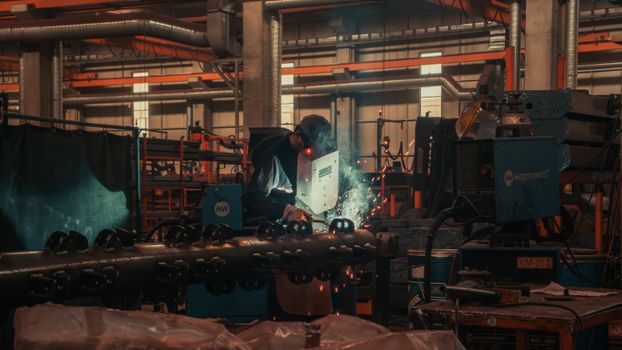
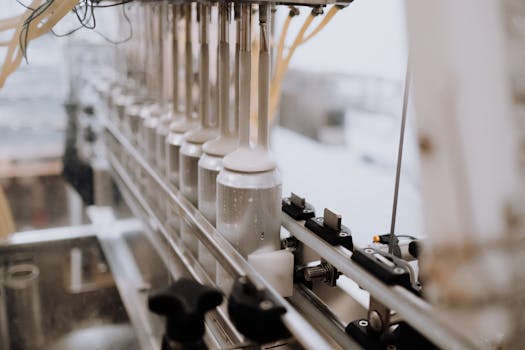
Consider the manufacturing sector: During the COVID-19 pandemic, factories with high automation struggled to retool production lines for new products like personal protective equipment. Meanwhile, plants relying on low automation, with flexible workforces and modular equipment, adapted in weeks rather than months. According to a 2021 report by Deloitte, manufacturers with lower levels of automation experienced 20% faster response times to supply chain disruptions compared to their highly automated counterparts.
This agility is especially valuable in industries undergoing rapid change, such as fashion retail, food services, and boutique manufacturing, where product lines and customer preferences shift frequently.
Cost-Efficiency: Balancing Investment and Return
Implementing high automation often requires significant upfront investment in robotics, specialized hardware, and custom software. Maintenance and upgrades add to the ongoing expenses. For many small and medium-sized enterprises (SMEs), this level of investment is neither feasible nor cost-effective.
Low automation, on the other hand, allows businesses to optimize costs by automating only where the return on investment is clear. By using affordable, off-the-shelf tools (such as scheduling apps, barcode scanners, or customer relationship management software), organizations can streamline operations without large capital expenditures.
The table below compares typical costs and efficiencies between low and high automation:
| Aspect | Low Automation | High Automation |
|---|---|---|
| Initial Investment | $10,000–$50,000 | $250,000–$2,000,000+ |
| Maintenance Costs (annual) | 5–10% of initial investment | 15–20% of initial investment |
| Time to Implement | 1–3 months | 6–24 months |
| Adaptability | High | Low to Moderate |
| Employee Training | Minimal | Extensive |
This comparison illustrates why low automation is often the smarter choice for organizations seeking efficiency without prohibitive costs or long-term commitments.
Real-World Examples: Low Automation in Action
Numerous industries have harnessed the power of low automation to drive efficiency and boost results:
1. Hospitality: Many hotels use automated check-in kiosks but retain front desk staff for personalized guest services. Marriott International reported a 15% increase in guest satisfaction scores after implementing this hybrid approach in 2019. 2. Healthcare: Clinics use scheduling software and automated reminders while relying on medical staff for diagnosis and patient care. A 2021 survey found that clinics using low automation reduced appointment no-show rates by 22%, improving patient throughput. 3. Education: Schools utilize basic automation for grading quizzes or managing attendance, allowing teachers to spend more time on lesson planning and individualized instruction. 4. Retail: Supermarkets often use self-checkout lanes for quick purchases but maintain staffed lanes for customers needing assistance or making large transactions. Walmart’s 2022 annual report cited a 12% boost in checkout efficiency after balancing automated and staffed lanes.These examples demonstrate that low automation is not a compromise, but a strategic choice that amplifies both human and technological strengths.
Potential Pitfalls and How to Avoid Them
While low automation offers multiple benefits, it is not without challenges. Common pitfalls include:
- Overreliance on manual processes for tasks that could be easily automated - Insufficient integration between automated tools and human workflows - Resistance from staff who fear job loss or changeTo maximize efficiency gains, organizations should:
- Conduct regular workflow audits to identify repetitive tasks suitable for selective automation - Involve employees in the decision-making process to foster acceptance and gather valuable insights - Invest in training and change management, emphasizing how technology is meant to support rather than replace staffA balanced approach, with ongoing evaluation and staff engagement, ensures that low automation continues to enhance efficiency without introducing bottlenecks or morale issues.
Final Thoughts on Low Automation’s Efficiency Advantage
Low automation isn’t about shunning progress — it’s about harnessing technology in ways that play to the strengths of both humans and machines. By thoughtfully integrating simple, supportive automation tools, organizations unlock higher flexibility, cost savings, and job satisfaction. Most importantly, they empower their workforce to focus on what they do best: thinking, creating, adapting, and connecting.
As industries continue to evolve, the organizations that thrive will be those that recognize when less automation is actually more — and how a carefully calibrated balance can drive work efficiency to new heights.