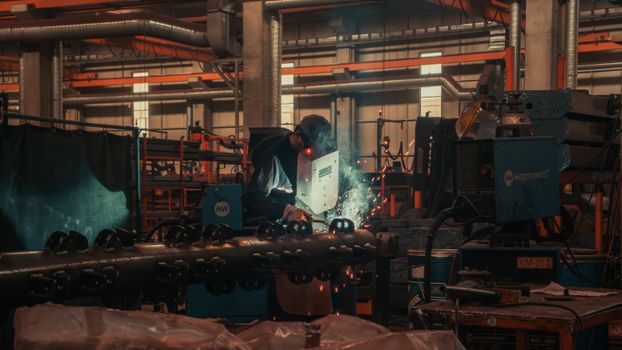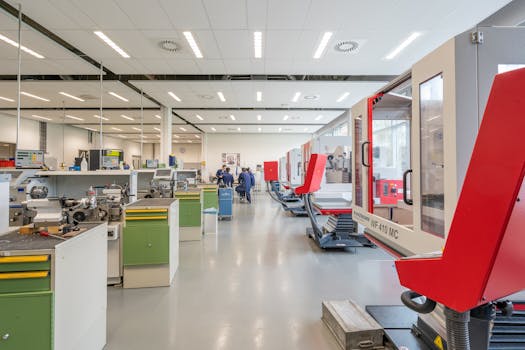
Low automation is often misunderstood in today’s fast-evolving, technology-driven world. While high automation dominates headlines—think robots assembling cars and AI-driven warehouses—many industries and businesses still rely on low automation, where manual input and human expertise remain central. However, several myths surround low automation, shaping decisions, investments, and public perception in ways that don’t always match reality.
In this article, we’ll examine the most common misconceptions about low automation, back them up with real-world data, and put these myths under the microscope. Whether you’re a business leader, employee, or simply curious about where human hands and minds still play a critical role, read on as we debunk the myths and reveal the true face of low automation.
Myth 1: Low Automation Means Low Productivity
A widespread belief is that low automation inevitably leads to low productivity. The logic seems straightforward—if machines do less, humans have to do more, and humans can’t match machines in speed or output. However, this isn’t always the case.
Let’s look at the numbers. According to a 2023 report from the International Labour Organization (ILO), 48% of small and medium-sized enterprises (SMEs) in Europe operate with low levels of automation, yet many report productivity levels comparable to their highly automated counterparts. Why? The key is specialization and human adaptability. In sectors like artisan manufacturing, boutique food production, or custom tailoring, highly skilled workers can outpace machines in quality, flexibility, and problem-solving.
Moreover, a survey by the National Federation of Independent Business (NFIB) found that 61% of small business owners with low automation reported that their teams’ productivity improved year-over-year due to better processes, not more machines.
So, while automation can boost speed for repetitive tasks, low automation environments often harness human ingenuity, process improvements, and employee engagement to achieve impressive results.
Myth 2: Low Automation Is a Sign of Backwardness
Another myth is that low automation equals technological backwardness or resistance to progress. In reality, many organizations choose low automation not because they can’t advance, but because it’s strategically beneficial.
For example, Italy’s traditional leather goods industry is famous worldwide for its quality. Despite low levels of automation, this sector generates over €6 billion annually and exports to more than 120 countries. The secret? A deliberate focus on craftsmanship, which automation can’t replicate.
Similarly, in the U.S., the farm-to-table restaurant movement values hand-prepared meals over automated cooking systems. According to Statista, the U.S. farm-to-table market was valued at $14.2 billion in 2022, showing that consumers often prefer authenticity and personal touch to fully automated processes.
Low automation isn’t about lagging behind. It’s about leveraging unique value propositions—such as craftsmanship, creativity, and customization—that machines can’t easily provide.
Myth 3: Low Automation Endangers Competitiveness
It’s commonly believed that only highly automated companies can compete in a global market. However, this myth overlooks how low automation can offer unique advantages that differentiate a business.
Consider the comparison between high and low automation environments:
| Aspect | High Automation | Low Automation |
|---|---|---|
| Speed | High for repetitive tasks | Moderate, but flexible |
| Customization | Limited | High |
| Employee Satisfaction | Lower (risk of monotonous work) | Higher (creative input valued) |
| Initial Investment | High | Low to moderate |
| Adaptability to Trends | Slower (requires reprogramming) | Faster (human-driven) |
Take the example of Danish furniture makers. While mass-market furniture relies on automated assembly lines, Danish firms focusing on handcrafted, design-forward pieces have seen export growth of 15% annually since 2020 (Danish Export Association, 2023). Their success comes from agility, quick adaptation to trends, and the ability to create truly unique products.
Thus, low automation can be a strategic choice for companies that want to stand out, offer personalized products, and build stronger customer relationships.
Myth 4: Low Automation Leads to Higher Operating Costs
It’s easy to assume that fewer machines and more people equate to higher costs. However, the reality is more nuanced.
Labor is certainly a major expense in low automation setups, but automation comes with its own hefty costs—purchase, installation, maintenance, and upgrades. According to McKinsey & Company, the average cost to automate a single industrial workstation is $125,000. For many businesses, especially SMEs, this is simply not feasible.
Furthermore, a study by Oxford Economics in 2021 found that companies with low automation spend up to 25% less on ongoing maintenance and software updates compared to those with high automation. They also benefit from greater flexibility, avoiding costly system overhauls when market conditions change or product lines shift.
Additionally, lower automation can reduce costs by minimizing product errors, returns, and waste, particularly in industries where customization is valued. For example, custom print shops report waste rates below 2%, compared to 7% in mass-production facilities that rely heavily on automated processes.
Myth 5: Low Automation Stifles Innovation
There’s a perception that innovation only happens where robots and AI are present. This couldn’t be further from the truth. In fact, the flexibility and creative freedom inherent in low automation settings can fuel innovation.
A 2022 survey by Deloitte found that 47% of executives in low automation sectors reported higher rates of process and product innovation than those in high automation industries. Why? With fewer constraints imposed by rigid machinery or software, teams can brainstorm, experiment, and iterate more easily.
For example, the craft brewing industry thrives on low automation. Brewers frequently test new recipes, adapt to seasonal ingredients, and respond to local tastes—something large, automated facilities struggle to match. The U.S. craft beer market, predominantly low automation, grew by 8% in 2022, outpacing the overall beer market.
Innovation isn’t just about new technologies; it’s about new ideas, approaches, and ways of delighting customers. Low automation can be a hotbed for exactly this kind of progress.
Myth 6: Low Automation Means Poor Working Conditions
Another persistent myth is that low automation equates to hard, unsafe, or unpleasant labor. While it’s true that certain manual jobs can be physically demanding, low automation doesn’t have to mean low standards for workers.
Many low automation businesses emphasize quality of life, craftsmanship, and employee engagement. For instance, a 2023 study by the European Foundation for the Improvement of Living and Working Conditions (Eurofound) found that workers in low automation industries reported 15% higher job satisfaction compared to those in highly automated environments.
Why? Low automation often allows employees to exercise judgment, creativity, and skill. Workplaces centered on craftsmanship and human input typically invest in training, safety, and a sense of community. Japanese “monozukuri” workshops—famous for craftsmanship—report some of the lowest staff turnover rates in the manufacturing sector.
Low automation doesn’t mean accepting poor working conditions. On the contrary, it can foster fulfilling and meaningful work.
Rethinking Low Automation: The Value of Human-Centric Workplaces
The myths about low automation can cloud judgment, leading businesses and policymakers to overlook the strategic, financial, and human benefits it offers. As we’ve seen, low automation can deliver competitive productivity, foster innovation, control costs, and support workplace satisfaction. Whether in artisanal industries, boutique manufacturing, or service sectors, low automation often reflects a conscious choice to leverage what people do best—think, create, adapt, and connect.
In a world obsessed with technology for its own sake, it’s important to recognize that “less machine” doesn’t mean “less value.” Low automation isn’t a relic of the past—it’s a vital, vibrant part of today’s economy, offering lessons in flexibility, resilience, and the power of human touch.