Low Automation: A Step towards Responsible Technological Advancement
As technology rapidly transforms industries, the concept of automation is often painted as a binary choice: either embrace total automation or risk falling behind. Yet, a quieter revolution is underway—low automation. This approach advocates for a measured, mindful integration of technology, ensuring human values, social responsibility, and long-term sustainability are at the forefront. Rather than racing toward a fully automated future, low automation offers a pathway to progress that balances efficiency with ethical and societal considerations.
The Rise of Low Automation in a High-Tech World
Over the past decade, global spending on automation technology has soared. In 2023 alone, investments in robotics and automation reached $75 billion worldwide, according to the International Federation of Robotics. While some industries have pursued full automation, a growing movement favors low automation as a more responsible, human-centered strategy.
Low automation refers to selectively automating repetitive or hazardous tasks while preserving roles that require creativity, judgment, or empathy. This nuanced approach stands in contrast to high automation, which seeks to replace human workers wherever possible. By retaining human oversight and involvement, low automation addresses concerns about job displacement, ethical decision-making, and the social consequences of unchecked technological change.
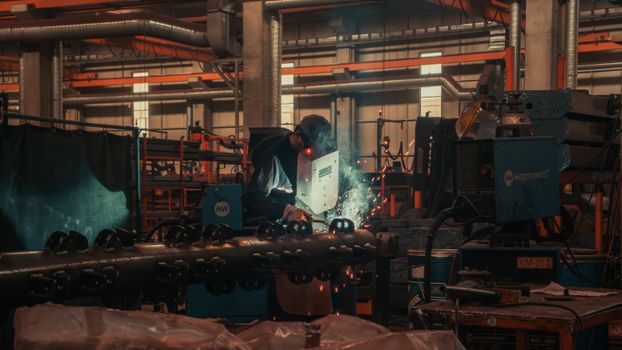
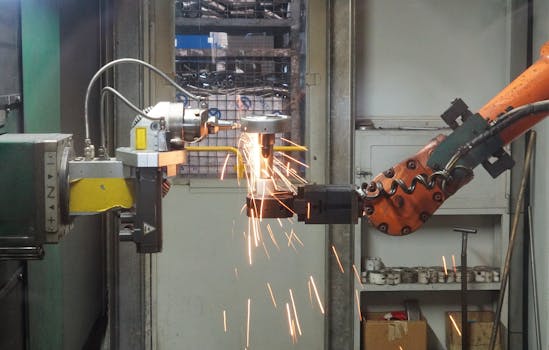
Several high-profile companies have embraced low automation. For instance, Toyota’s production system combines automated machinery for welding and painting with skilled craftspeople for assembly and quality control. This blend of technology and human expertise delivers both productivity gains and product excellence.
Ethical Implications: Balancing Progress with Social Responsibility
One of the key arguments in favor of low automation is its alignment with ethical business practices. As automation technology advances, concerns about mass unemployment, loss of skills, and widening inequality have intensified. A 2021 report by the World Economic Forum estimated that while automation could displace 85 million jobs by 2025, it could also create 97 million new roles—provided the transition is managed responsibly.
Low automation offers a model for responsible technological advancement by:
- Preserving meaningful work: By automating only the most menial or dangerous tasks, low automation ensures humans remain engaged in work that requires problem-solving, creativity, and interpersonal skills. - Ensuring inclusivity: Full automation often benefits large, well-resourced corporations, but low automation is accessible to small and medium enterprises that may lack the capital for complete system overhauls. - Supporting lifelong learning: With a gradual integration of technology, low automation encourages ongoing training and upskilling, empowering workers to adapt to new roles rather than facing sudden redundancy.In practice, companies that prioritize low automation frequently invest in employee development and prioritize internal mobility. For example, German manufacturer Siemens has implemented low-level automation in its factories while retraining workers for higher-value roles, resulting in improved morale and reduced turnover.
Economic Impact: Stability and Sustainable Growth
While the allure of full automation often centers on immediate cost savings, low automation provides a more sustainable path to economic growth. According to a 2022 study by McKinsey, organizations that adopt low automation strategies often report greater resilience during economic downturns due to their flexible, human-centric operating models.
Key economic benefits of low automation include:
- Reduced upfront investment: Partial automation allows businesses to upgrade processes incrementally, minimizing disruption and financial risk. - Enhanced adaptability: Human workers can pivot and troubleshoot in ways machines cannot, providing organizations with a buffer against supply chain shocks or unexpected challenges. - Sustained job creation: Rather than eliminating jobs, low automation can foster new roles in supervision, maintenance, and innovation.The following table compares full automation and low automation across several economic and operational factors:
| Factor | Full Automation | Low Automation |
|---|---|---|
| Initial Investment | High (often millions per facility) | Moderate (incremental upgrades) |
| Job Impact | Significant job losses | Job preservation and new roles |
| Flexibility | Limited (machines require reprogramming) | High (humans adapt quickly) |
| Resilience to Change | Vulnerable to disruptions | Greater adaptability |
| Long-Term ROI | Potentially high, but risky | Steady and sustainable |
This comparison demonstrates that low automation is not only a socially conscious choice but also a practical one for organizations seeking long-term stability.
Human-Centered Innovation: Technology as a Partner, Not a Replacement
A defining feature of low automation is its focus on human-machine collaboration. Instead of viewing technology as a substitute for labor, low automation frames it as a tool to enhance human capabilities. This approach is especially valuable in sectors where human judgment, ethics, or creativity are indispensable.
For example, in the legal field, document review software automates the sorting of large volumes of case files, but legal professionals retain responsibility for interpreting and applying the law. In healthcare, diagnostic algorithms aid doctors in identifying patterns, yet final decisions rest with trained practitioners who consider context and patient history.
A 2023 survey by Deloitte found that 67% of organizations implementing low automation reported improvements in employee satisfaction and retention. Workers appreciated being relieved of repetitive tasks while gaining opportunities to focus on more meaningful and impactful work.
Moreover, low automation supports innovation by preserving the collective knowledge and problem-solving skills of diverse teams. When technology complements rather than replaces human input, organizations are better equipped to navigate complex challenges and adapt to evolving markets.
Environmental Considerations: Sustainable Technology Integration
The environmental impact of automation is an often-overlooked aspect of technological advancement. High automation typically involves energy-intensive machinery and frequent hardware upgrades, contributing to increased carbon emissions and electronic waste. In contrast, low automation supports sustainability by:
- Extending the lifespan of existing equipment: Incremental automation upgrades reduce the need for wholesale replacement, minimizing resource consumption. - Lowering energy usage: Human-operated processes can be more energy-efficient, especially in industries where machines would otherwise run continuously. - Enabling circular economy practices: By integrating technology thoughtfully, organizations can design workflows that prioritize reuse, recycling, and minimal waste.A 2022 report by the Ellen MacArthur Foundation found that manufacturing plants using low automation strategies generated 20% less electronic waste compared to fully automated facilities of similar scale. This demonstrates that responsible automation is not only about people but also about the planet.
Policy and Regulation: Guiding the Future of Automation
As automation becomes more pervasive, the role of policy and regulation grows increasingly important. Governments and industry bodies are beginning to recognize the value of low automation as a tool for responsible growth. In 2023, the European Union introduced guidelines encouraging businesses to conduct “automation impact assessments” before implementing large-scale technological changes. These assessments consider not only financial outcomes but also social, ethical, and environmental impacts.
Furthermore, labor organizations and advocacy groups are pushing for policies that support retraining, worker participation in technology adoption decisions, and safeguards against sudden layoffs. These measures ensure that automation remains a force for positive change rather than a disruptor of livelihoods and communities.
By promoting transparency, accountability, and stakeholder engagement, policy frameworks can help scale the benefits of low automation and mitigate its risks.
Responsible Advancement: The Path Forward for Low Automation
Low automation is not a rejection of progress but a call for thoughtful, inclusive, and sustainable technological advancement. By adopting a measured approach to automation, organizations can harness the benefits of innovation while preserving jobs, protecting the environment, and upholding ethical standards.
As industries continue to evolve, the lessons of low automation—flexibility, human-centricity, and responsibility—will be essential for building a future where technology serves not just efficiency, but the greater good.