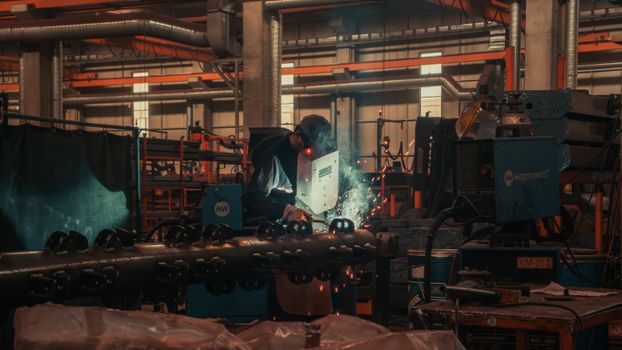
Low automation is often seen as a nostalgic nod to the past or as a temporary stepping stone before full technological adoption. However, in the current era of climate concerns and increasing demand for ethical business practices, low automation is emerging as a strategic choice that can significantly support sustainability in business. Contrary to popular belief, embracing lower levels of automation can yield environmental, social, and economic benefits that align closely with sustainable development goals (SDGs). This article explores the intricate relationship between low automation and business sustainability, highlighting fresh perspectives, data-driven insights, and practical examples from various industries.
The Sustainability Imperative: Why Businesses Are Rethinking Automation
Sustainability is no longer an optional extra for businesses. According to a 2023 report by Deloitte, over 70% of global CEOs identified sustainability as a key driver for long-term success. In their pursuit of greener operations, companies are scrutinizing every aspect of their value chain—including their approach to automation.
High automation often brings efficiency and speed, but it can also drive unsustainable practices—like increased energy use, e-waste, and social displacement. Low automation, on the other hand, can encourage slower, more deliberate processes that prioritize resource conservation, human labor, and local economies. In sectors where sustainability is paramount (such as agriculture, textiles, or food production), businesses are finding that less automation can mean more alignment with environmental and ethical standards.
Resource Use and Waste Reduction: The Hidden Power of Manual Processes
One of the most significant sustainability challenges facing businesses today is the efficient use of resources. Fully automated systems typically require substantial inputs: rare minerals for machinery, high electricity consumption, and extensive cooling for robotics and servers. By contrast, low automation environments often rely more on human skill and localized tools, which can dramatically reduce resource footprints.
For example, the textile industry—a massive contributor to global water pollution—has seen a resurgence of interest in manual dyeing and handcrafting techniques. According to the Ellen MacArthur Foundation, small-scale, low-automation textile operations can reduce water usage by up to 60% compared to their fully automated counterparts. These traditional methods not only cut down on resource consumption but also minimize chemical runoff, waste, and the need for complex supply chains.
Additionally, low automation often means longer-lasting equipment. Whereas highly automated machinery may become obsolete within 5–7 years, manually operated tools can last decades, reducing the environmental impact associated with equipment turnover and disposal.
Supporting Local Economies and Social Sustainability
Sustainability is not just about the environment—it’s also about creating resilient, equitable communities. Low automation supports local economies by preserving jobs, fostering skill development, and encouraging small business growth. In fact, the International Labour Organization (ILO) reported in 2022 that regions with predominantly low-automation industries, such as artisanal food production and handcrafts, experienced 18% lower unemployment rates during economic downturns compared to highly automated regions.
By prioritizing human labor over machines, businesses can create meaningful work, support local families, and maintain cultural traditions. This approach is particularly important in developing countries, where automation often leads to job loss and social disruption. Low automation also encourages businesses to source materials locally, further supporting regional economies and reducing the carbon footprint associated with long-distance transportation.
Energy Consumption: Low Automation vs. High Automation
Energy use is a critical factor in business sustainability. High automation frequently necessitates continuous power for robotics, conveyor belts, data servers, and cooling systems. In contrast, low automation typically relies more on human energy and less on electricity-hungry equipment. The following table illustrates typical energy usage differences between low and high automation settings in select industries.
| Industry | Low Automation (kWh per unit output) | High Automation (kWh per unit output) | Energy Savings (%) |
|---|---|---|---|
| Textiles | 1.2 | 3.5 | 66% |
| Food Processing | 0.8 | 2.1 | 62% |
| Furniture Manufacturing | 2.0 | 4.5 | 56% |
These numbers, sourced from a 2023 study by the European Commission on industrial energy use, demonstrate that low automation settings can cut energy consumption by more than half in some cases. This not only reduces operating costs, but also significantly lowers greenhouse gas emissions—a key factor in corporate sustainability reporting.
Product Quality, Longevity, and the Circular Economy
Low automation is often associated with higher product quality and durability. Handmade goods, for example, are less likely to suffer from the defects that can arise in mass production. This focus on quality means products last longer, reducing the need for frequent replacements and supporting the principles of the circular economy.
A 2022 survey by the Circular Economy Foundation found that 72% of consumers believed artisanal or low-automation goods lasted at least 30% longer than their mass-produced counterparts. This longevity not only benefits consumers but also helps reduce waste, a crucial aspect of sustainability. Furthermore, low automation often makes repair and refurbishment easier, as products are designed to be fixed by skilled workers rather than replaced entirely.
Supply Chain Resilience and Transparency
In a world of complex, globalized supply chains, high automation can sometimes obscure the origins of materials, labor practices, and environmental impacts. Low automation businesses, however, often operate on a smaller scale, allowing for greater transparency and traceability.
For example, a low-automation coffee roaster may source beans directly from a single cooperative, roast in small batches, and sell directly to consumers—making it easier to verify ethical sourcing and fair labor practices. This transparency is increasingly important to modern consumers: a 2023 Nielsen report found that 79% of shoppers were more likely to trust brands that could clearly document their supply chain practices.
Furthermore, low automation businesses are often more resilient in times of crisis. When global supply chains were disrupted during the COVID-19 pandemic, many small, low-automation producers were able to adapt quickly by sourcing materials locally and shifting production methods—whereas highly automated factories dependent on imported parts often faced long delays.
Balancing Innovation and Sustainability with Selective Automation
It’s important to note that low automation does not mean rejecting technology altogether. Rather, it’s about making intentional choices that balance innovation with sustainability. Businesses can adopt “selective automation,” where only the most resource-intensive or hazardous processes are automated, while preserving manual methods elsewhere.
For example, a brewery might automate certain aspects of bottling for safety and consistency, but retain hand-crafted brewing techniques to ensure product quality and reduce energy use. This hybrid approach enables businesses to benefit from technological advancements without sacrificing their sustainability goals.
Final Thoughts: The Future of Sustainable Business in a Low Automation World
Low automation is not a relic of the past, but a forward-thinking strategy for sustainable business. By prioritizing resource efficiency, supporting local economies, reducing energy consumption, and increasing transparency, companies can align profitability with environmental and social responsibility. As consumer awareness of sustainability continues to rise and regulatory pressures increase, businesses that embrace low automation will be well-positioned to lead in the new green economy.
The challenge for business leaders is to look beyond the allure of full automation and recognize the long-term value that slower, more mindful processes can bring. As shown by the data and case studies above, low automation offers a viable—and often superior—path to sustainability that can benefit people, planet, and profits alike.