In today’s rapidly evolving technological landscape, automation stands at the forefront of industrial transformation. From smart factories humming with robotic arms to traditional assembly lines relying heavily on human expertise, the degree of automation within a system can dramatically influence productivity, cost, quality, and workforce dynamics. But what truly sets high automation apart from low automation? How do these two approaches impact industries, businesses, and workers? This article delves deeply into the key differences between high automation and low automation, using real-world examples, data, and practical insights to illuminate the unique characteristics of each.
Understanding High Automation vs. Low Automation
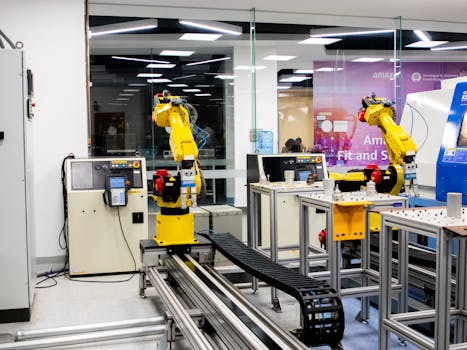
At its core, automation refers to the use of technology to perform tasks with minimal human intervention. High automation involves extensive use of computerized systems, robotics, and artificial intelligence to execute processes that once required manual labor. In contrast, low automation relies more on human input, with machines or technology serving primarily as tools to assist rather than replace workers.
A 2023 report by the International Federation of Robotics found that global sales of industrial robots reached 553,000 units in 2022, a 5% increase over the previous year—clear evidence of the rising tide of high automation. Yet, many sectors and businesses still operate with low automation, valuing the flexibility, craftsmanship, and lower upfront investment it offers.
Workforce Impact: Job Roles and Skill Requirements
The most immediate and widely discussed difference between high and low automation lies in their effects on the workforce. High automation often transforms or eliminates repetitive, manual jobs, while creating new roles that require technical expertise.
For example, in a highly automated car manufacturing plant, robots weld, paint, and assemble components with minimal human oversight. Workers shift from assembly line roles to positions in robot maintenance, programming, and quality control. According to a 2021 McKinsey report, up to 25% of current work activities in the US could be automated by 2030, potentially affecting up to 39 million jobs.
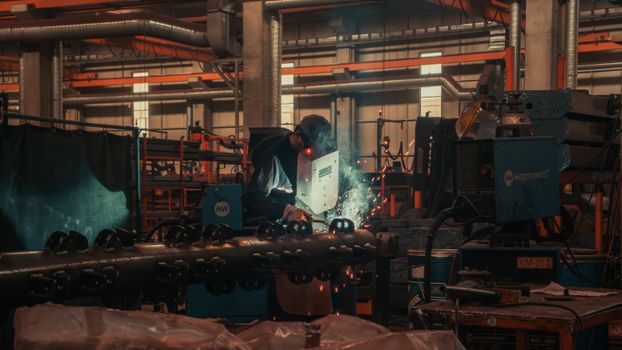
In contrast, low automation environments—such as bespoke furniture workshops or small-scale food production facilities—rely on skilled craftspeople and manual labor. Here, workers’ expertise in handling materials, customizing products, and troubleshooting on the fly is irreplaceable.
This shift in job requirements is reflected in training and education. High automation demands proficiency in STEM (science, technology, engineering, and mathematics), robotics, and IT, while low automation values hands-on skills, creativity, and adaptability.
Cost Structures and Investment Considerations
Another key difference between high and low automation surfaces in the area of costs. High automation typically requires substantial initial investments in technology, machinery, and software. For instance, equipping a modern automotive plant with industrial robots can cost upwards of $100 million, according to the International Federation of Robotics. However, these costs are often offset over time by reduced labor expenses, increased efficiency, and higher output.
Low automation, conversely, entails lower upfront costs, as it relies more on existing tools and human labor. However, ongoing operational costs—such as wages, training, and error management—can be higher in the long run. Additionally, low automation may struggle to scale efficiently in the face of rising demand.
The following table summarizes these differences:
| Aspect | High Automation | Low Automation |
|---|---|---|
| Initial Investment | High (e.g., millions for robotics, AI) | Low to Moderate (primarily equipment, tools) |
| Ongoing Labor Costs | Lower (fewer employees needed) | Higher (more manual workers required) |
| Scalability | High (easily increases output) | Limited (scaling requires more hiring/training) |
| Maintenance | Specialized (technical, costly repairs) | General (routine, less technical) |
| Flexibility | Lower (reprogramming can be slow/expensive) | Higher (humans can adapt quickly) |
Quality, Consistency, and Error Rates
Product quality and consistency are other dimensions where high and low automation diverge. High automation excels at producing large volumes of standardized products with minimal variation. For instance, a 2022 study by the World Economic Forum found that automated pharmaceutical manufacturing lines reduced defect rates by 45% compared to manual lines.
Automated systems follow precise instructions, making them ideal for industries where uniformity and compliance are critical—such as semiconductors, pharmaceuticals, and automotive manufacturing. Sensors and AI-driven quality checks further reduce the risk of errors and defects.
In low automation environments, quality depends heavily on the skill and vigilance of individual workers. While this allows for customization and creative problem-solving, it also introduces variability. Human error, fatigue, and inconsistent workmanship can result in higher defect rates, particularly in large-scale production.
However, low automation shines in small-batch or artisanal production, where customization, uniqueness, and craftsmanship are valued over uniformity. For example, hand-crafted musical instruments or gourmet food items often command premium prices precisely because of their individual character.
Speed, Throughput, and Responsiveness
Speed and throughput—how quickly and efficiently products are made—are crucial in competitive industries. High automation is engineered for rapid, round-the-clock production. For example, a single high-speed bottling line can fill and package up to 120,000 bottles per hour, vastly outpacing manual labor.
This relentless efficiency enables just-in-time manufacturing, reduces lead times, and allows businesses to respond quickly to market demand. According to the Association for Advancing Automation, high automation systems can increase throughput by 30-50% compared to manual processes.
Low automation, by contrast, is constrained by human speed, shift schedules, and fatigue. While this can be a disadvantage in high-volume sectors, it offers greater control over production pace and allows for easier halts, changes, or customization in response to client needs.
Risk, Reliability, and Business Continuity
The level of automation also impacts business risk and reliability. High automation can enhance reliability by eliminating human error and enabling predictive maintenance—using sensors and analytics to anticipate failures before they occur. For instance, General Electric reports that predictive maintenance in automated factories can reduce unplanned downtime by up to 20%.
However, high automation also introduces new risks. Technical failures, cyberattacks, and supply chain disruptions can halt entire operations, sometimes for days. In 2021, a ransomware attack on a major US pipeline operator forced the shutdown of automated control systems, highlighting the vulnerability of highly automated infrastructure.
Low automation systems, being less dependent on complex technology, are often more resilient to such disruptions. Workers can step in to manage problems, improvise solutions, or shift production methods as needed. While they may not match the efficiency of automated lines, their adaptability can be a significant asset in times of crisis or uncertainty.
Environmental and Social Considerations
With sustainability climbing corporate agendas, the environmental impact of automation levels has become a point of differentiation. High automation is typically associated with lower energy use per unit produced, thanks to optimized processes and reduced waste. For example, automated textile factories can cut energy consumption by up to 30% compared to manual operations.
However, the manufacture and disposal of sophisticated machinery and electronics also create environmental challenges, including electronic waste and carbon emissions from production. Responsible management of these impacts is critical.
Low automation generally has a smaller technological footprint but may be less efficient in resource use, especially in large-scale operations. On the social front, high automation can lead to job displacement, while low automation supports local employment and traditional skills, contributing to community resilience.
Final Thoughts: Choosing the Right Level of Automation
The choice between high automation and low automation is seldom straightforward. It depends on industry requirements, company goals, market dynamics, and even ethical considerations. High automation offers unmatched speed, consistency, and scalability, but demands significant investment and technical expertise. Low automation provides flexibility, human creativity, and employment opportunities, but may lag in efficiency and scalability.
In practice, many organizations opt for a hybrid approach, blending automation with human oversight to harness the strengths of both systems. A 2023 Deloitte survey found that 67% of manufacturers plan to increase automation while retaining manual roles for oversight and innovation.
Understanding the key differences between high and low automation empowers businesses, policymakers, and workers to make informed decisions in a world where technology and human ingenuity increasingly intersect.