As the global manufacturing landscape races toward increasing automation, the Czech industrial sector stands out for its measured, sometimes hesitant embrace of this trend. While automation promises higher productivity and lower labor costs, many Czech companies have opted for a more conservative approach, maintaining low levels of automation in their factories and production lines. This choice brings both hidden costs and unique savings, influencing competitiveness, employment, and long-term growth. In this article, we will explore the true costs and savings associated with low automation in the Czech industry, presenting a nuanced analysis grounded in data, real-world examples, and economic trends.
Understanding Low Automation in the Czech Context
The Czech Republic boasts a strong industrial tradition. According to the Czech Statistical Office, industry contributes around 32% to the country's GDP, one of the highest shares in the European Union. However, when it comes to automation, the Czech Republic lags behind major industrial players such as Germany or South Korea.
A 2022 report by the International Federation of Robotics (IFR) found that the Czech Republic had around 162 installed industrial robots per 10,000 manufacturing employees, compared to Germany's 397 and South Korea's 932. Many Czech manufacturers, especially in the automotive, machinery, and food processing sectors, still rely heavily on manual labor and traditional production methods.
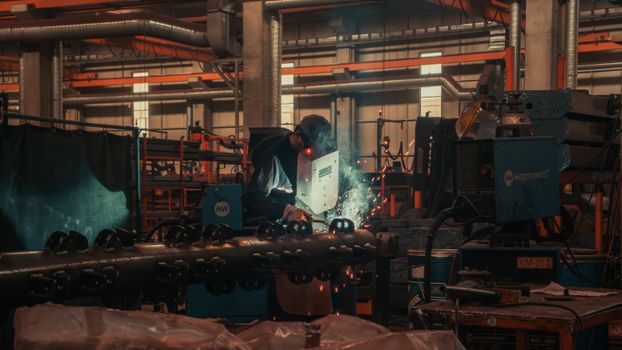
This approach is influenced by several factors: - The availability of a skilled, relatively affordable labor force - The importance of flexibility in manufacturing small batches - High initial investment costs of automation technology - The cultural value placed on craftsmanship and traditionWhile low automation can foster a skilled workforce and adaptable factories, it also brings hidden operational costs and missed opportunities for efficiency.
The Direct Costs of Low Automation
Operating with low automation levels can result in significant direct costs for Czech companies. These costs are often less visible than the upfront price tag of robots or automated systems, but they accumulate steadily over time.
1. $1 Wages in the Czech Republic remain lower than in Western Europe, with the average monthly gross wage in industry at around 40,000 CZK (approx. €1,600) in 2023. However, labor shortages—especially in regions like Central Bohemia—have pushed wages up by 6% annually over the past five years. Manual operations require more staff, increasing payroll expenses, social contributions, and training costs. 2. $1 Manual processes are more prone to human error and are generally slower than automated systems. Czech manufacturing labor productivity grew by 2.3% per year between 2015 and 2022, but this lags behind EU neighbors who embraced automation, such as Slovakia (3.1%) and Germany (3.5%). 3. $1 Lower automation means greater variability in product quality. For instance, in precision engineering or electronics, even minor inconsistencies can lead to costly defects, product recalls, or customer dissatisfaction. 4. $1 Physically demanding or repetitive tasks increase the risk of workplace injuries. In 2022, the Czech Ministry of Labour reported over 40,000 work-related injuries, with more than half occurring in industry.These factors may result in higher operational costs and lower competitiveness over time.
The Hidden Savings of Low Automation
Despite the apparent drawbacks, there are tangible savings and strategic advantages linked with lower levels of automation in Czech industry.
1. $1 The upfront cost of industrial robots can range from €30,000 to €150,000 per unit, excluding integration, maintenance, and training. For small and medium-sized enterprises (SMEs) making products in small batches, such investments may not pay off quickly. Low automation allows companies to allocate capital elsewhere—innovation, marketing, or workforce development. 2. $1 Czech factories with a flexible, human-driven workforce can quickly switch production lines, adapt to changing orders, or customize products. For example, a Czech furniture manufacturer producing bespoke pieces can easily adjust to customer preferences, something a fully automated line might struggle with due to high retooling costs. 3. $1 By maintaining jobs in manual or semi-automated operations, companies contribute to lower unemployment (3.7% in 2023, one of the lowest in the EU) and support local communities. This fosters loyalty, reduces turnover, and preserves valuable skills. 4. $1 Automation comes with risks such as cybersecurity threats, system failures, or technological obsolescence. Companies with low automation are less vulnerable to such disruptions, maintaining continuity even during IT outages or supply chain shocks.Comparing Costs and Savings: A Data Overview
To provide a clearer perspective, let's examine a comparative table summarizing key cost and savings factors for low versus high automation in Czech industry.
| Factor | Low Automation | High Automation |
|---|---|---|
| Initial Investment | Low (€10,000–€50,000) | High (€100,000–€1,000,000+) |
| Annual Labor Costs (per 50 workers) | €960,000 (avg. €1,600 x 12 months x 50) | €320,000 (avg. 80% reduction with automation) |
| Productivity Growth (2015–2022 avg.) | 2.3% per year | 3.5% per year |
| Workplace Injuries (per 1,000 workers) | 8–12 | 2–4 |
| Flexibility for Custom Orders | High | Medium/Low |
| Downtime due to Tech Failures | Low | Medium/High |
This table shows that while high automation can drastically cut labor costs and increase productivity, low automation offers more flexibility and lower risk of certain disruptions.
Long-Term Implications for Competitiveness
The decision to maintain low automation has significant long-term consequences for Czech industry. On one hand, it protects jobs and nurtures a skilled workforce, which is a key strength in sectors like precision engineering, traditional crafts, and custom manufacturing.
However, as global supply chains become more digital and "Industry 4.0" standards spread, Czech firms may risk falling behind in competitiveness. For example, an automotive supplier relying on manual assembly may find it difficult to meet the quality and volume demands of international clients who expect automated, data-driven production.
According to a 2023 survey by Deloitte, 68% of Czech manufacturers believe that failing to invest in automation could threaten their export competitiveness within the next decade. This risk is particularly acute in sectors exposed to Asian or Western European rivals who have already automated significant portions of their operations.
Still, for niche markets, artisanal goods, and high-mix/low-volume production, maintaining a lower level of automation can be a strategic asset, preserving quality and flexibility.
Case Study: Czech Glassmaking—Balancing Tradition and Technology
A striking example of the costs and savings of low automation is found in the Czech glassmaking industry. Renowned for its Bohemian crystal, the industry employs over 10,000 people, many of whom are skilled artisans.
- $1 Some large glassworks have struggled with labor shortages and rising wages. Manual processes can lead to inconsistent quality and slower production, limiting their ability to meet large international orders. - $1 The unique, handcrafted nature of Czech glass is a major selling point. High-end markets in the US, Japan, and the Middle East pay premium prices for products labeled "handmade in the Czech Republic." By avoiding heavy automation, these companies maintain their brand value and export niche.This example demonstrates that the balance of costs and savings depends heavily on the specific industry, market, and product type.
Final Thoughts on Costs and Savings of Low Automation in Czech Industry
The Czech industrial sector's cautious approach to automation is a double-edged sword. On one side, it preserves flexibility, supports employment, and saves on capital expenditure. On the other, it can mean higher labor costs, slower productivity growth, and potential challenges in global competition.
The key for Czech companies lies in strategic decision-making: assessing where low automation brings genuine value, and where targeted investments in automation could unlock new potential. As technology advances and the labor market evolves, the most successful firms will be those who blend tradition with innovation—leveraging automation where it enhances productivity, while preserving the human touch that defines Czech industry.