Low Automation vs Manual Processes: A Comparative Study
Advancements in technology have sparked an ongoing debate about the role of automation in modern workplaces. While full automation often grabs headlines, the nuances between low automation and purely manual processes deserve close examination, especially for organizations looking to balance efficiency, cost, and workforce satisfaction. This article offers an in-depth comparative study of low automation versus manual processes, exploring the differences, benefits, drawbacks, and real-world considerations that influence operational strategies across industries.
Understanding Low Automation and Manual Processes
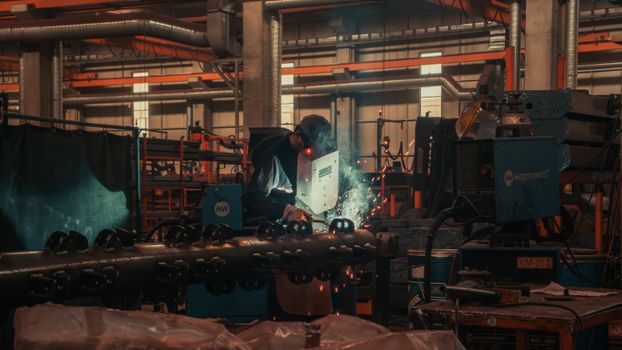
Before diving into the comparison, it's essential to clarify what is meant by "low automation" and "manual processes." Manual processes are those completely reliant on human effort, decision-making, and labor, with little or no technological assistance. Examples include traditional assembly lines, handwritten record-keeping, or manually operated machinery.
Low automation, on the other hand, refers to processes where basic technology or machines assist humans, but human oversight and intervention are still crucial. Think of conveyor belts that need manual loading, barcode scanners used by warehouse staff, or software that automates simple data sorting but leaves complex analysis to people.
According to a 2023 Deloitte survey, 63% of small and medium-sized enterprises (SMEs) reported using some form of low automation in their daily operations, compared to only 21% that had adopted high or full automation. This indicates a significant portion of the workforce still operates in spaces where human involvement remains prominent.
Efficiency and Productivity: Measuring the Impact
Efficiency is often the first metric organizations consider when weighing automation against manual labor. Manual processes, while straightforward, are subject to human error, fatigue, and variability. For example, studies show that human error accounts for nearly 23% of operational inefficiencies in manufacturing environments.
Low automation seeks to bridge this gap by using technology to handle repetitive or error-prone tasks, allowing humans to focus on oversight or problem-solving. For instance, in a warehouse, a manual process might involve workers picking, packing, and labeling items entirely by hand. With low automation, barcode scanners and conveyor belts streamline these steps, reducing errors and increasing throughput.
A 2022 report by McKinsey found that organizations integrating low automation experienced a 15-25% increase in productivity compared to those relying solely on manual processes. However, this improvement still falls short of the dramatic efficiency gains (often 40% or more) reported for fully automated systems, illustrating that low automation is a middle ground.
Cost Considerations: Upfront Investments and Ongoing Expenses
One of the principal reasons many companies hesitate to pursue full automation is the significant upfront cost. Manual processes require minimal technological investment—just wages, basic equipment, and training. However, these costs can add up over time through inefficiencies, higher labor expenses, and potential rework due to human error.
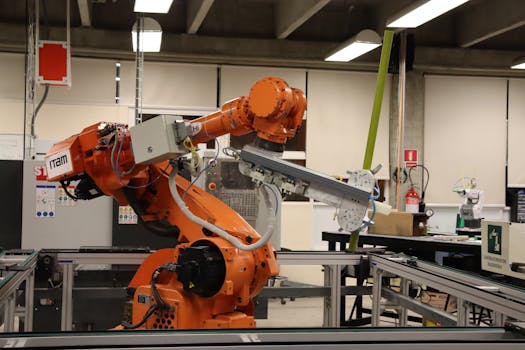
Low automation introduces moderate initial investment in machinery or software but typically at a fraction of the cost of high automation. For example, implementing barcode scanning technology in a small distribution center might cost $10,000 to $25,000, while fully automated robotic systems can run into the millions.
The following table summarizes cost considerations:
| Process Type | Upfront Investment | Ongoing Labor Cost | Maintenance/Upgrades | Efficiency Gains |
|---|---|---|---|---|
| Manual | Low | High | Minimal | Low |
| Low Automation | Moderate | Medium | Moderate | Moderate |
| Full Automation | High | Low | High | High |
This cost-performance relationship explains why a 2024 IndustryWeek analysis found that 70% of businesses with fewer than 250 employees opted for low automation rather than high or full automation, balancing budget and performance.
Quality, Consistency, and Error Reduction
Quality control is another key consideration. Manual processes, while flexible, are vulnerable to inconsistency. Variability in skill, attention, and fatigue can lead to defects or deviations from standards. The International Journal of Production Research reported that defect rates in manual assembly can range from 2% to 8%, depending on task complexity and worker experience.
Low automation mitigates these risks by standardizing certain tasks without removing the human element entirely. For instance, automated torque wrenches in automotive assembly ensure bolts are tightened to precise specifications, reducing the likelihood of assembly errors while still requiring skilled operators.
In sectors like pharmaceuticals, where human error can have serious consequences, low automation is often used to double-check manual entries or automate repetitive documentation. This hybrid approach has been shown to reduce error rates by up to 60% compared to all-manual workflows.
Flexibility and Adaptability in Changing Environments
One advantage of manual processes is adaptability. Humans can quickly adjust to changes in product design, workflow, or customer requirements. This flexibility is particularly valuable in industries with high product variation or frequent custom orders, such as bespoke furniture or specialized electronics.
Low automation supports some adaptability while offering the benefits of standardization. Technologies like programmable logic controllers (PLCs) or modular machinery can be reconfigured with relative ease. However, significant process changes may still require retraining staff or reprogramming systems, which can introduce delays.
A 2023 survey by the Manufacturing Leadership Council found that 54% of respondents valued manual or low-automation processes for their ability to handle custom or low-volume orders more efficiently than fully automated lines, which are often optimized for mass production.
Workforce Impacts: Job Satisfaction and Training
The human factor cannot be overlooked. Manual processes can offer workers a sense of craftsmanship and ownership but are also associated with repetitive strain, fatigue, and lack of engagement when tasks are monotonous.
Low automation tends to shift the role of workers from pure labor to oversight, troubleshooting, and machine operation. This can enhance job satisfaction by reducing physical strain and allowing employees to develop new skills. For example, a packaging operator in a low-automation facility may spend more time monitoring equipment and less time lifting heavy boxes.
However, the transition to low automation requires investment in training. According to the National Association of Manufacturers, companies implementing low automation spend an average of $1,200 per employee on initial training, but report a 30% reduction in workplace injuries and a 20% increase in employee retention.
Environmental and Scalability Considerations
Environmental impact and scalability are increasingly important for modern businesses. Manual processes tend to have a lower carbon footprint in energy consumption, but may be less resource efficient due to higher defect rates and slower production cycles.
Low automation can improve scalability, enabling businesses to ramp up production without proportionally increasing labor costs. Energy-efficient machinery and software can also optimize resource use, reducing waste. For example, automated batching in food processing can cut ingredient waste by up to 18%, according to a 2022 FoodTech Insights report.
Scalability is a significant advantage for growing businesses. While manual operations often require hiring more staff for increased output, low automation lets companies expand capacity with smaller incremental investments.
Key Takeaways: Choosing the Right Approach
The choice between low automation and manual processes is not a binary one. Instead, it depends on factors such as industry, business size, production volume, labor market conditions, and long-term strategic goals.
Low automation offers a compelling balance for many organizations: it delivers measurable gains in efficiency, quality, and scalability without the steep costs and rigidity of full automation. Manual processes remain relevant for highly customized or low-volume work, and for organizations prioritizing flexibility or craftsmanship.
Ultimately, the best approach is often a hybrid, leveraging low automation where it adds value and retaining manual processes where human skills are indispensable.