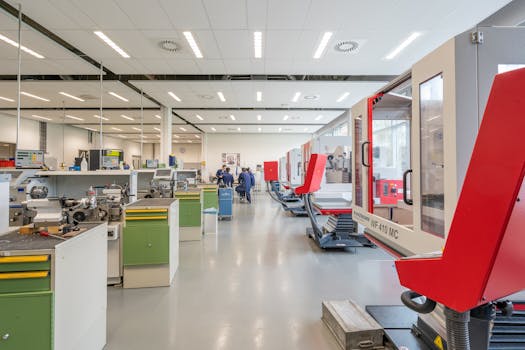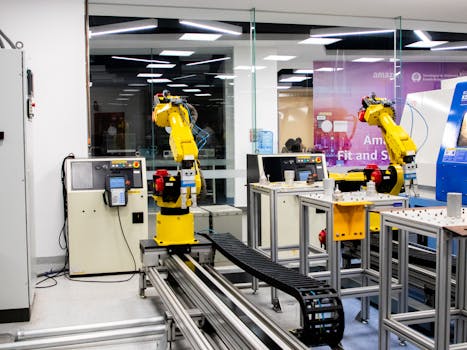
Low automation is not just a relic of the past—it’s a living, evolving choice that many businesses will continue to make in 2025. While the world races towards digital transformation and robotic process automation, a significant portion of industries, from artisanal manufacturing to human-centric services, are intentionally maintaining or even reverting to low automation models. But what does the future hold for these sectors? As new trends emerge in labor markets, technology, regulation, and consumer expectations, organizations operating with minimal automation must adapt in unique ways. This article explores the most important trends shaping low automation in 2025, with practical advice on what businesses and workers need to prepare for.
The Shifting Labor Market: Talent Shortages and Upskilling
One of the most significant trends impacting low automation in 2025 is the evolving labor market. According to the International Labour Organization, by 2024, over 45% of businesses in sectors like agriculture, hospitality, and small-scale manufacturing faced difficulties filling positions that require hands-on skills. The trend is expected to intensify as younger generations gravitate towards tech-driven fields.
For low automation workplaces, this means that the competition for skilled, reliable workers will become fiercer. Upskilling and reskilling of existing staff will be crucial, not just in operational techniques, but in areas like problem-solving, teamwork, and adaptability. Businesses that offer ongoing training programs, apprenticeships, or partnerships with vocational institutions will have a strategic advantage.
Moreover, the aging workforce in many developed countries will require companies to rethink how they retain older workers and transfer vital skills before retirement. This may include more flexible work arrangements and mentorship programs. The bottom line: human capital will be the primary driver of productivity in low automation settings, and proactive talent management is essential.
Regulatory Changes: Compliance Takes Center Stage
Another major trend for 2025 is the increasing complexity of regulatory environments. As governments respond to safety, labor rights, and sustainability concerns, low automation businesses are likely to face more stringent compliance requirements.
For example, the European Union’s updated General Product Safety Regulation (GPSR), enacted in mid-2024, places new demands on manual and semi-manual production lines to ensure worker and consumer safety. The United States Occupational Safety and Health Administration (OSHA) has also signaled a focus on low automation sectors, citing a 12% increase in workplace injuries in handcraft and food service industries since 2022.
Here are some key areas where compliance will matter most: - Worker safety protocols and reporting - Fair wage and hour laws - Environmental impact documentation - Product traceability and labelingBusinesses should invest in robust compliance tracking systems and regular audits to avoid fines, reputational damage, or forced shutdowns. In many cases, compliance technology tailored for low-tech environments, such as mobile-based checklists or simplified reporting tools, will be vital.
Consumer Trends: Demand for Authenticity and Personalization
A surprising and positive trend for low automation businesses in 2025 is the growing consumer appetite for authenticity and personalized service. According to a 2023 Nielsen survey, 68% of global consumers say they are willing to pay more for products made by hand or with traditional methods, associating these with higher quality and ethical standards.
This trend extends beyond product quality to the experience of interacting with a real person rather than a bot or automated system. For example, boutique hotels boasting “100% human touch” in guest service have seen occupancy rates rise up to 18% faster than fully automated chains since 2022.
To leverage this trend, businesses should: - Highlight unique stories about their process and people in marketing materials - Offer customization options or direct customer interaction - Emphasize transparency in sourcing and productionThe table below compares customer satisfaction rates between low and high automation sectors in 2024:
| Industry | Low Automation Satisfaction (%) | High Automation Satisfaction (%) |
|---|---|---|
| Artisanal Food | 91 | 78 |
| Custom Apparel | 88 | 74 |
| Independent Hospitality | 83 | 69 |
These numbers underscore the competitive edge of low automation businesses in sectors where human touch and craftsmanship are highly valued.
Technological Trends: Selective Digital Adoption
While low automation means less reliance on robotics and AI, it does not mean rejecting all technology. Instead, 2025 will see a trend towards selective digital adoption—using lightweight, human-friendly tech to support rather than replace workers.
For instance, digital inventory tracking on tablets, cloud-based payroll software, or mobile apps for scheduling can streamline administrative tasks without automating core production or service roles. A 2024 report by McKinsey found that 62% of low automation businesses plan to invest in “supportive tech” by the end of 2025, up from just 41% in 2021.
Examples include: - Mobile communication platforms for real-time updates among staff - Simple CRM systems for personalized customer follow-up - Low-code or no-code tools that empower non-technical workers to automate only repetitive paperworkThis hybrid approach can help low automation companies stay competitive while preserving their unique advantages.
Resilience in the Face of Disruption: Lessons from the Pandemic
The COVID-19 pandemic provided a stress test for all business models, and low automation organizations learned important lessons about resilience. In 2020, many such businesses were able to pivot quickly—shifting staff to new roles or adapting workflows—because they weren’t locked into rigid, automated systems.
In 2025, this adaptability remains a key advantage, especially in industries vulnerable to supply chain shocks or rapidly changing customer demand. For example, a survey by the Small Business Administration in 2023 found that 47% of low automation manufacturers were able to retool their production lines within two weeks of a major supply disruption, compared to only 28% of highly automated factories.
To build on this strength, businesses should: - Invest in cross-training employees for multiple roles - Maintain flexible supplier relationships - Develop contingency plans for sudden changes in regulations or market conditionsResilience is not just about surviving crises, but about thriving in uncertainty—and low automation businesses are well-positioned to do just that.
Preparing for 2025: Key Strategies for Low Automation Success
With these trends in mind, what practical steps should low automation businesses take to prepare for the future?
1. Prioritize Human Capital: Develop robust training and retention programs to attract and keep skilled workers. Consider flexible hours, profit-sharing, or unique benefits to stand out in a competitive market. 2. Stay Ahead of Compliance: Regularly review changing regulations and adopt simple compliance tools. Proactive engagement with industry groups and regulators can help anticipate new requirements. 3. Tell Your Story: Use marketing and customer engagement to emphasize your unique, human-centered value proposition. Transparency and authenticity are key. 4. Adopt Selective Technology: Identify areas where technology can help—not replace—your team. Invest in tools that improve communication, scheduling, or customer management without eroding the personal touch. 5. Build Flexibility: Encourage multi-skilled teams, maintain adaptable supply chains, and have contingency plans for unexpected disruptions.By focusing on these strategies, low automation businesses can not only survive but thrive in 2025’s dynamic environment.
Low Automation Trends: The Road Ahead
As we look to 2025, it’s clear that low automation is not synonymous with stagnation. Instead, it represents a conscious choice to prioritize people, craftsmanship, and flexibility in a fast-changing world. The trends outlined above—labor market shifts, regulatory complexity, consumer demand for authenticity, selective tech adoption, and resilience—will shape the landscape in the years to come.
For businesses, the key is to embrace these changes proactively. With careful planning and a focus on human strengths, low automation organizations can carve out a durable, competitive niche—one that values tradition while remaining responsive to the demands of the modern marketplace.